Zoo advertising
10 Modern Zoo Advertising Ideas to Drive Visitation
Zoo advertising is not about chasing every new channel. It is about getting more from the media dollars you already have and choosing tactics that actually help people decide to visit.
Turn Influencer Content Into Paid Social Ads
Influencer marketing should not stop with one organic post.
When a creator makes a strong video at the zoo, secure the right to reuse that content in paid advertising. Then run it through the zoo’s own Meta, TikTok, or YouTube account.
That gives the zoo more control over the audience, geography, timing, budget, and measurement.
The creator’s organic audience still matters. But the bigger opportunity is often the video itself.
A creator can show the visit through the eyes of a real guest: what their kids loved, how the event felt, whether the upgrade was worth it, what food they tried, how long they stayed, or what surprised them.
That kind of content can make the zoo feel more immediate and relatable than a polished institutional ad.
The practical move is simple: build usage rights into the agreement. If the content is good, the zoo should be able to run it as advertising.
For more on this approach, check out our influencer marketing work.
Influencer-created video for Detroit Zoo's Wild Lights.
Run TikTok as an Advertising Platform, Not Just an Organic Channel
Many zoos think about TikTok as an organic social channel: another platform to post on, manage, and feed with content.
That misses part of the opportunity.
TikTok is also a paid advertising platform. And for many zoos, it may be one of the better places to reach younger adults, younger parents, tourists, and people who are still deciding what to do with their leisure time.
The zoo does not need to become famous on TikTok for TikTok advertising to be useful.
A paid TikTok campaign can put strong vertical video in front of the audience the zoo is trying to reach. That could be a family audience for a daytime visit, a younger adult audience for an evening event, or a local leisure audience looking for something to do this weekend.
Treat TikTok like a real media channel.
Give it a defined role. Give it a budget. Build creative for the platform. Connect it to ticket sales or another meaningful action when possible.
Do not judge TikTok only by whether the zoo’s organic account is growing.
Separate Instagram From Facebook in Your Media Plan
Do not assume one Meta campaign will spend the right amount on Facebook and Instagram.
Meta will often push dollars toward the placements, audiences, and behaviors that generate the cheapest clicks. That can send more money to Facebook than the zoo intended.
That is not always wrong. Facebook can still work, especially for older audiences, members, donors, and certain event buyers.
But if the zoo is trying to reach younger parents, stroller families, adults 25–54 with young kids in the household, or the next generation of zoo visitors, Instagram may need its own budget and creative.
Do not let cheap clicks make the media decision for you.
A practical approach is to separate Facebook and Instagram when the audience strategy calls for it. Give Instagram enough budget to matter. Use creative that fits the feed, Reels, and Stories. Then compare performance based on ticket sales, memberships, event revenue, or another meaningful action.
The goal is not to avoid Facebook.
The goal is to make sure Instagram has a real job in the plan.
Use :06 YouTube Bumper Ads With Audiences That Already Know You
A six-second ad cannot explain the whole zoo.
That is why it works best with people who already have some relationship with the institution.
Use YouTube bumper ads as short, repeated reminders for warm audiences: members, recent ticket buyers, past event attendees, recent website visitors, email subscribers, or people who have watched a longer zoo video.
Much of this can come from first-party data. If your zoo uses Tessitura, Galaxy or another CRM/ticketing system, member lists, past purchasers, lapsed visitors, or event buyers can be used to build more relevant advertising audiences.
That makes the message sharper.
A member might see:
“Members get discounted event tickets.”
A recent ticket buyer might see:
“Come back for Zoo Brew.”
A holiday-event buyer from last year might see:
“Holiday tickets are on sale.”
A recent website visitor might see:
“Final weekend.”
The longer video does the selling. The bumper does the reminding.
For event campaigns, create several six-second ads in rotation. Each one should reinforce one specific reason to act: urgency, member value, a ticket type, a new exhibit, a premium upgrade, or a date that still needs demand.
Do not use bumpers as a vague awareness tactic.
Use them with frequency, during a defined sales window, against audiences familiar enough for a six-second message to mean something.
Put Your Google Ad Grant to Work
Most nonprofit zoos should be taking the Google Ad Grant seriously.
The Grant can provide up to $10,000 per month in Google Search advertising credit. That does not create demand by itself, but it can help the zoo capture people who are already searching for things the zoo offers.
That includes searches like:
“Zoo Near Me”
“Things to Do With Kids”
“Family Activities This Weekend”
“Zoo Tickets”
“Summer Camps”
“Holiday Lights Near Me”
“Birthday Parties”
“Wedding Venue”
The mistake is treating the Grant like one general campaign.
A useful Google Ad Grant account should be organized around the different reasons people search. General admission, events, memberships, education programs, camps, donations, and private events may all deserve different campaigns, landing pages, and measures of success.
The goal is not simply to spend the full Grant.
The goal is to capture relevant demand and turn it into useful action.
Use Visitor Data to Decide Where to Buy Billboards
Outdoor advertising can be powerful for zoos, but only when it is bought with geographic discipline.
Do not start with available boards.
Start with visitor data. Platforms such as TruTrade and Placer.ai can help show where visitors come from and which areas to prioritize.
Which ZIP codes already produce strong visitation? Which areas are declining? Where are there large family populations but not enough zoo visitors? Where are competing attractions winning? Which neighborhoods should the zoo be trying to grow?
That should shape the outdoor plan.
A board in the wrong place is not valuable just because it is discounted. A scattered outdoor buy across the whole market may look big but fail to create enough presence anywhere.
It is usually better to identify the geography that matters, then buy enough outdoor in that area to be noticed.
Outdoor is not about being everywhere.
It is about being unavoidable in the places that matter.
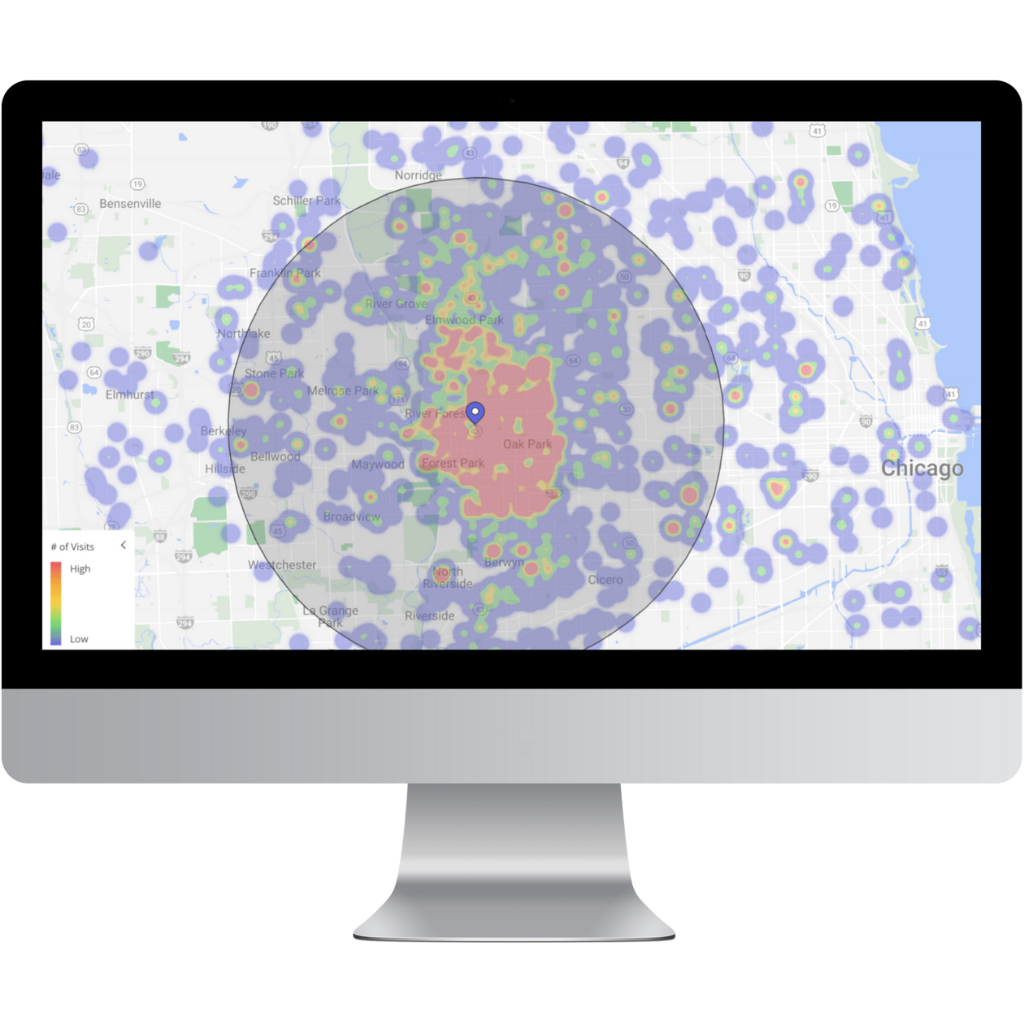
TruTrade visitor data dashboard.
Use Digital Billboards to Shift Demand in Real Time
Digital billboards should not just be treated like regular billboards that happen to be on a screen.
The advantage is flexibility.
For a date-specific event, digital outdoor can help shift attention toward the nights that need demand. Early in the campaign, the message might promote the event broadly. As ticket sales develop, the creative can shift toward weeknights, opening weekend, final weekend, or dates with more availability.
A holiday campaign might move from:
“Tickets on sale now”
to:
“Weeknight tickets available”
to:
“Final weekend”
to:
“Tonight at the Zoo”
That flexibility is especially useful when paired with ticket sales data.
If Saturday is nearly sold out, stop spending money to sell Saturday. Use the media to help fill the dates that still need help.
The same logic can apply by time of day, location, weather, or event schedule when the inventory supports it.
Use the flexibility you are paying for.

Zoo Atlanta digital billboard promoting IllumiNights.
Test Pinterest for Family and Holiday Planning
Pinterest is easy to overlook because it does not always feel like a standard zoo advertising channel.
But the platform can play a useful role when people are planning family activities, birthday ideas, seasonal outings, holiday events, or things to do with kids.
That makes it worth testing for the right campaign.
Pinterest is not usually where someone goes to interact with the zoo every day. It is where someone may go while planning something.
That planning mindset matters.
For zoos, Pinterest may be most useful around visually strong and family-oriented campaigns: Halloween events, holiday lights, birthday parties, camps, family memberships, or travel planning.
The creative should be simple, vertical, and useful. Think less like a social post and more like a planning prompt.
“Holiday lights with kids.”
“Family-friendly Halloween event.”
“Zoo birthday party ideas.”
“Things to do with kids this weekend.”
Pinterest should not automatically take budget away from stronger channels. But for the right audience and season, it can be a practical test.
Use Inflatables and Extensions to Make Billboards Harder to Ignore
Zoos have a natural advantage in outdoor creative.
Animals give the creative team permission to break the rectangle.
A giraffe can rise above the board. A snake can wrap around it. A tiger paw can reach beyond the frame. A sea lion can appear to splash outside the ad.
Extensions, inflatables, wraps, and other dimensional elements can turn a standard billboard into something people actually notice.
This is not always necessary. It should be saved for campaigns where outdoor is playing a real role and the board is in a location that justifies the extra production.
But when the placement is strong, the creative should use the medium.
A zoo billboard should not look like a digital display ad made larger.
If the zoo is paying for a high-impact channel, give the creative enough impact to earn the space.
It’s gotten cheaper to create eye-catching, 3D billboards. Check out SoftSigns 3D and their innovative inflatable vinyl.

Florida Aquarium 3D billboard.
Turn zoo advertising into visitation.
Attend helps zoos and aquariums use paid advertising to show the experience, support ticket sales, and bring more people through the gates.
See How We Help Zoosget our insights
Stay connected to Attend
We’ll occasionally share what we’re seeing, questioning, and paying attention to across cultural attractions.
Occasional emails. Unsubscribe anytime.